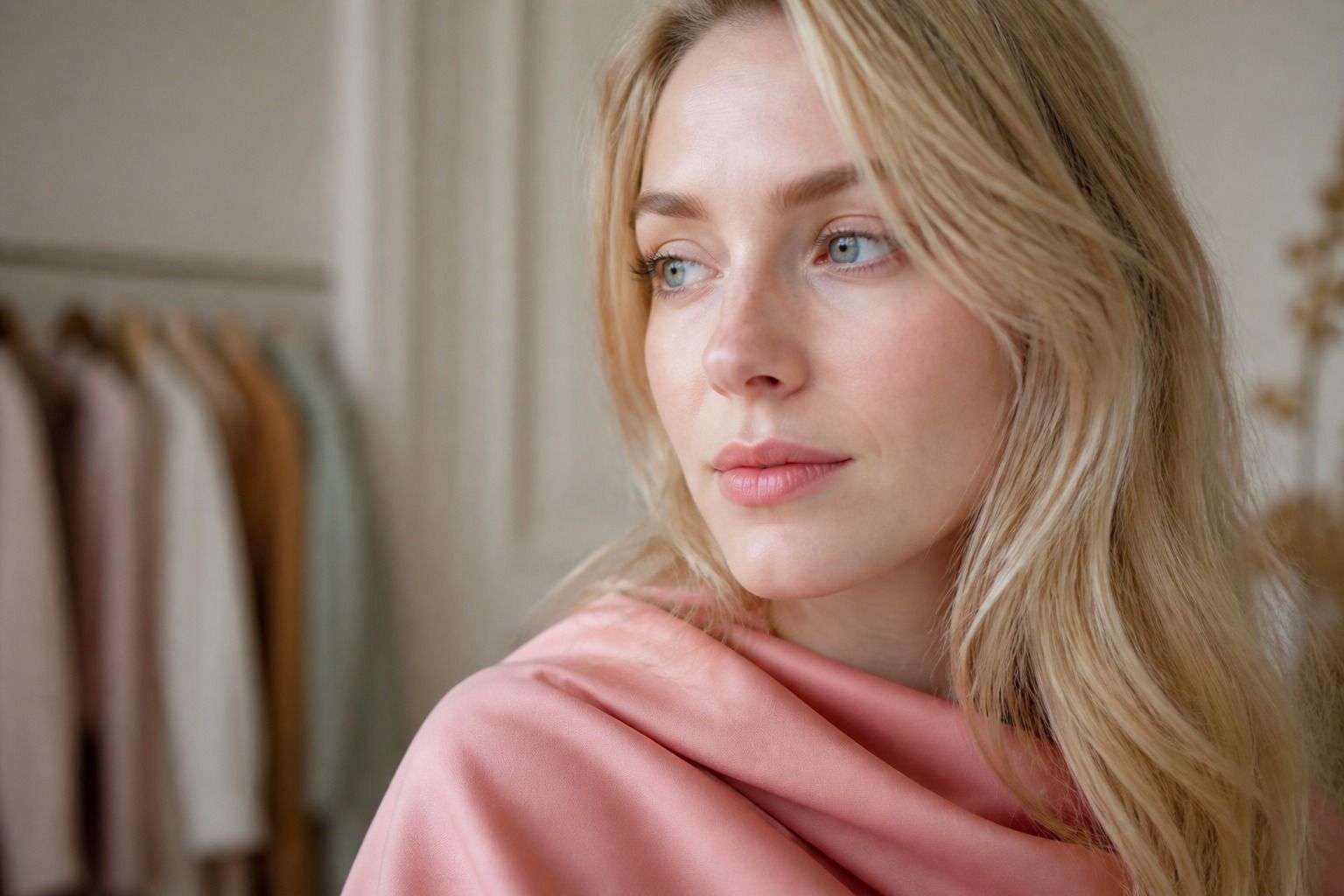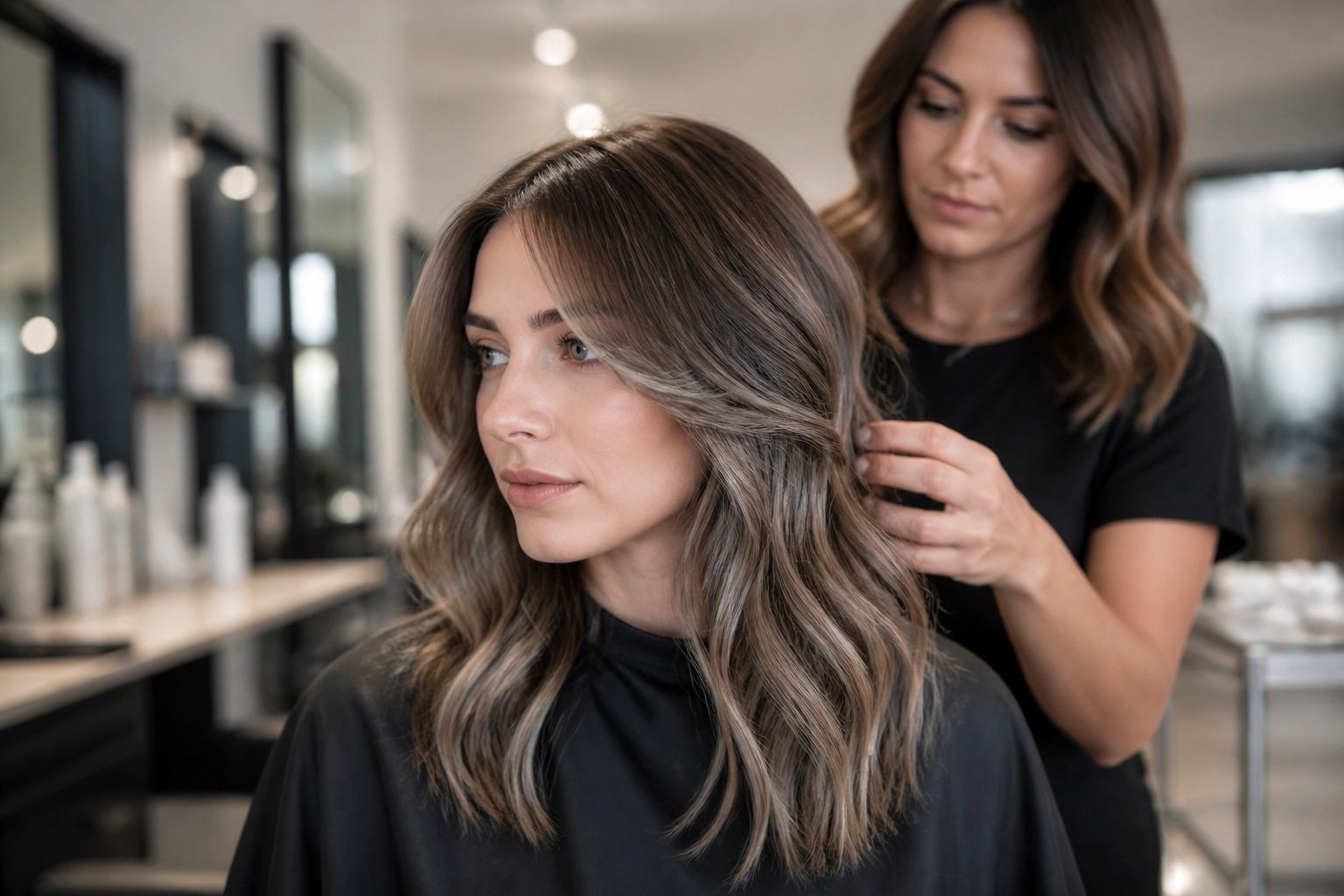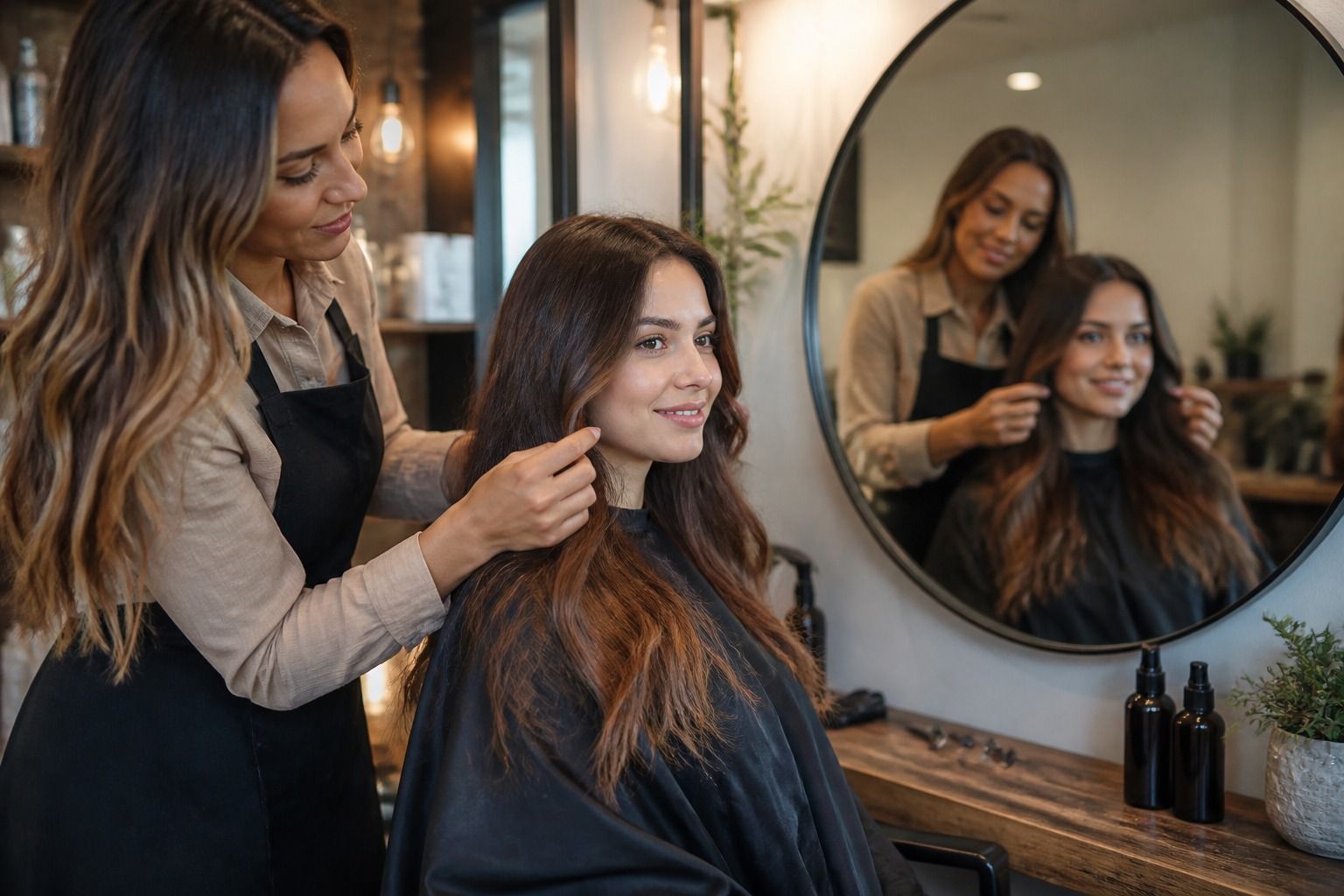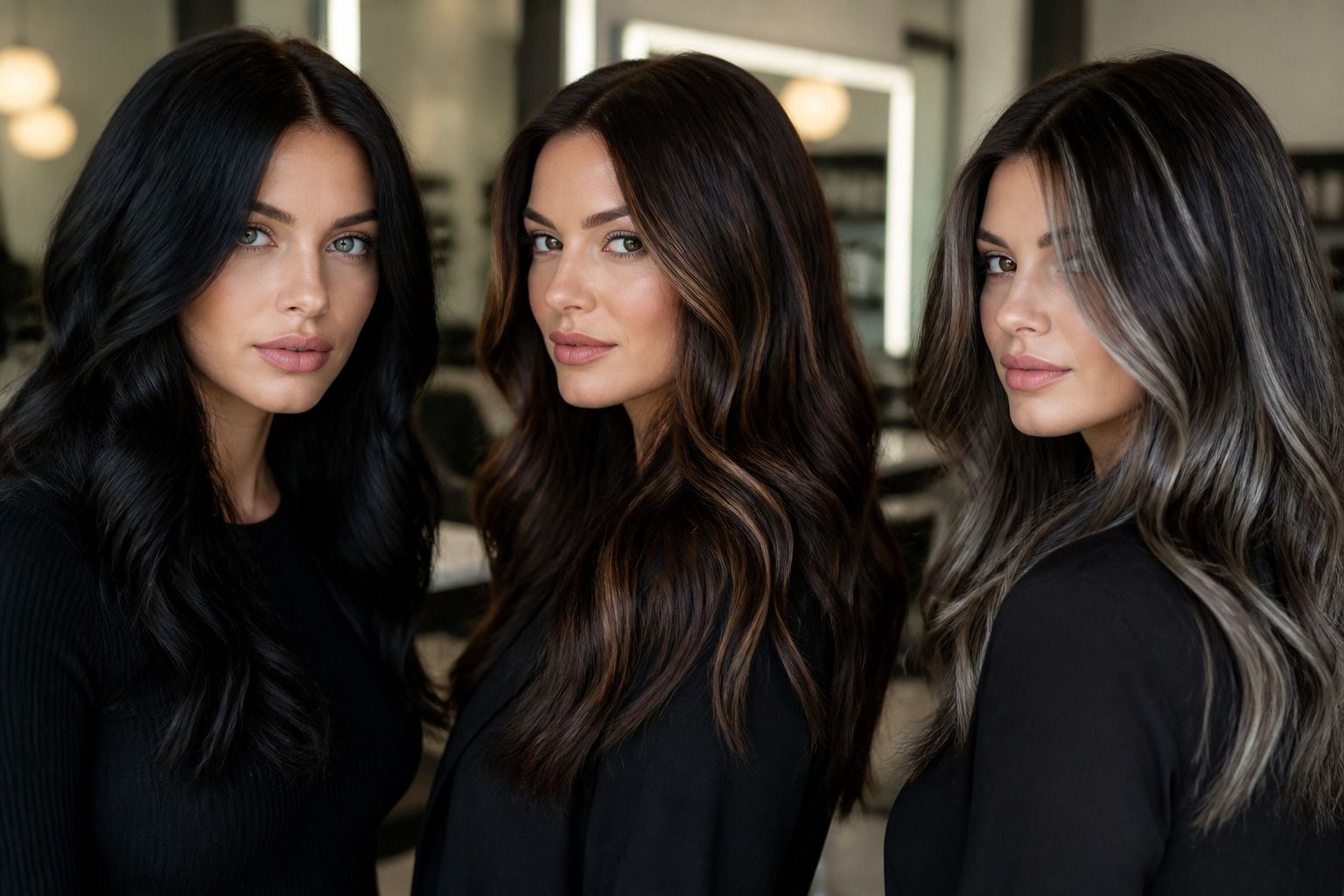
Choosing true winter hair colors is less about chasing a perfect label and more about reading hair depth, skin undertone, eye contrast, and maintenance honestly. The most useful result feels believable in daylight, grows out without a harsh line, and still works with the clothes or makeup you already reach for. I keep the decision grounded in using clarity, depth, and shine as the main rules, because that is where flattering hair color usually succeeds or fails.
True Winter needs clarity more than softness
True Winter needs clarity more than softness is where the choice becomes practical. For true winter hair colors, I would start with using clarity, depth, and shine as the main rules and then compare the result against True Winter, espresso hair, black hair. That order prevents the common mistake of loving a shade name while ignoring how it sits against the actual root, eyebrow depth, and eye contrast.
The safest dark shades
A colorist can usually translate this into level, reflect, and placement. Keep the root strong and use toner to prevent red-brown fade. If the answer stays vague, pause before booking a dramatic change. Hair color lives on texture, porosity, previous dye, and natural depth, so the same seasonal label can need a softer formula on one person and a cleaner formula on another.
How to use highlights without warming the hair
The easiest warning sign is a shade that solves one problem and creates two new ones. Golden balayage, copper gloss, low-contrast beige, faded warm brown may photograph well for a few minutes, but it can make roots look heavier, redness stronger, or blonde ends more brittle. A better option respects blue-black, espresso, silver reflection and leaves room for small corrections later.
The useful test is not whether the color looks fashionable in a saved photo. It is whether black-brown, espresso, blue-black, dark ash brown, narrow icy pieces can keep the face clear after the first week, after toner softens, and after the hair is washed in ordinary bathroom light. The queries around true winter hair colors, hair color for winter skin tone, hair colour for winter skin tone all point to the same anxiety: people want a shade that looks intentional without making the complexion look gray, red, or tired.
Gray and silver options
When comparing options, hold the decision close to the face rather than judging the ends alone. Face-framing pieces, the root shadow, and the first two inches around the part usually decide whether the result feels expensive or slightly off. Ends can be glossed; the area near the skin has less room for error.
A colorist can usually translate this into level, reflect, and placement. Keep the root strong and use toner to prevent red-brown fade. If the answer stays vague, pause before booking a dramatic change. Hair color lives on texture, porosity, previous dye, and natural depth, so the same seasonal label can need a softer formula on one person and a cleaner formula on another.
At-home choices to avoid
At-home choices to avoid is where the choice becomes practical. For true winter hair colors, I would start with using clarity, depth, and shine as the main rules and then compare the result against True Winter, espresso hair, black hair. That order prevents the common mistake of loving a shade name while ignoring how it sits against the actual root, eyebrow depth, and eye contrast.
The easiest warning sign is a shade that solves one problem and creates two new ones. Golden balayage, copper gloss, low-contrast beige, faded warm brown may photograph well for a few minutes, but it can make roots look heavier, redness stronger, or blonde ends more brittle. A better option respects blue-black, espresso, silver reflection and leaves room for small corrections later.
Before committing, take one photo in window light, one outdoors in shade, and one in the lighting where you spend most mornings. If a shade only works in one of those places, it may be a photo idea rather than a good everyday color.
Keep the first appointment conservative if the hair has old dye, heavy warmth, or fragile blonde ends. A gloss, toner, lowlight, or narrow face-frame can answer more questions than a full transformation, and it leaves the next appointment easier to control.
The strongest choice is usually the one you can describe in plain language: how dark it is, whether it is cool or warm, how much contrast it creates, and what maintenance it needs. If those four points are clear, the seasonal palette becomes useful instead of restrictive.
A useful final check for true winter hair colors is the root area, not the most polished ends. Roots show whether the new shade belongs beside the face, and they reveal contrast problems before a full head of color makes them expensive to correct. If the roots look heavy, dusty, orange, or strangely separate from the eyebrows, the formula probably needs a smaller depth shift or a softer reflect.
I also like comparing hair color with two ordinary wardrobe pieces: one reliable neutral and one color that usually brings the eyes forward. If both suddenly look wrong, the hair may be pulling the whole palette too warm, too dark, or too bright. That check is simple, but it catches problems that a salon cape and mirror lighting can hide.
Maintenance should be part of the choice from the beginning. Cool shades often need toner, blondes need brass control, deeper brunettes need shine, and virtual previews ignore the way porous ends grab pigment. A flattering color is the one that still makes sense six weeks later, when the root has grown, the gloss has softened, and daily lighting is less forgiving than the appointment photo.
For a safer appointment, describe the outcome in three plain sentences: the depth you want, the warmth you do not want, and how much contrast you can handle around the face. That gives the colorist something more useful than a screenshot. It also keeps the conversation focused on hair behavior, not on a seasonal label that may be interpreted differently from one chart to another.